Blog

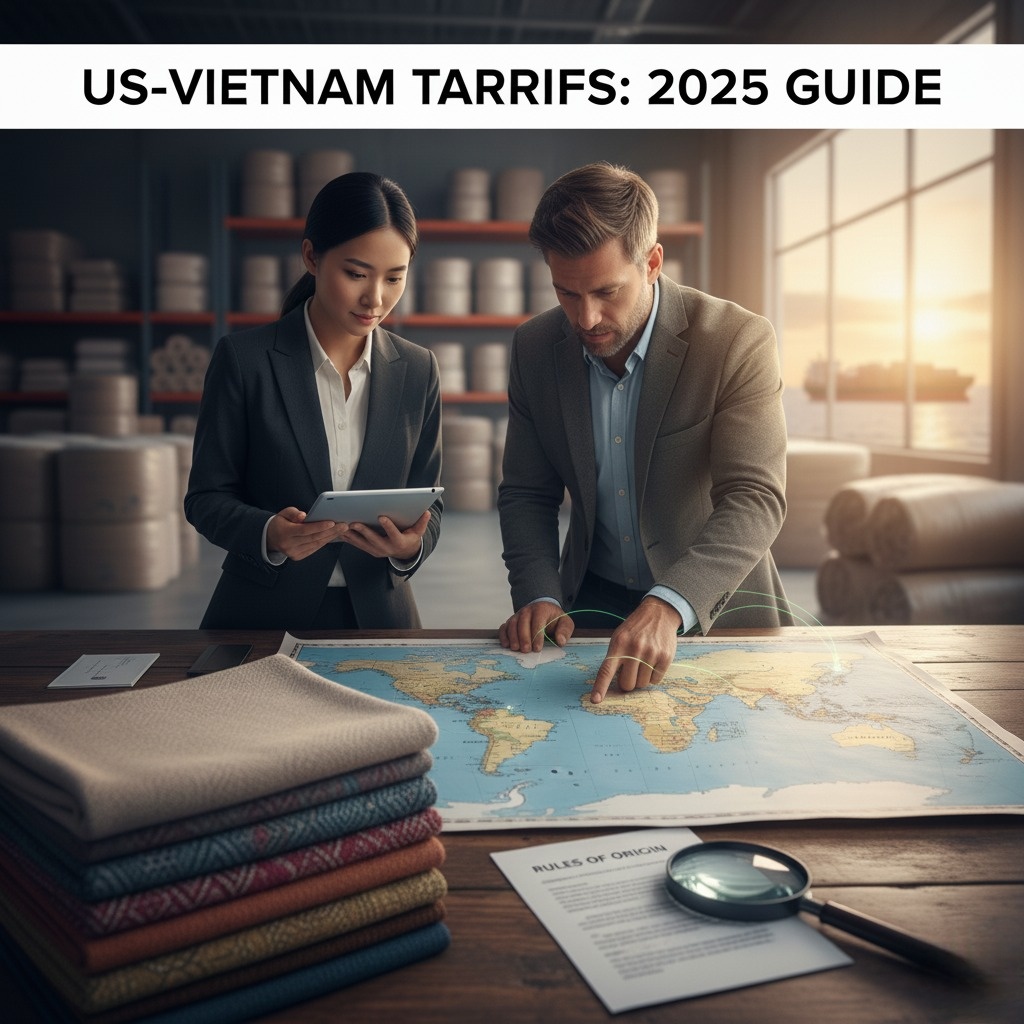
  • Navigating the New US-Vietnam Tariff Landscape: A Guide for Textile Importers in 2025

    Navigating the New US-Vietnam Tariff Landscape: A Guide for Textile Importers in 2025

    The recent adjustments to US tariffs on Vietnamese textiles and garments are the single biggest change that directly impacts an importer’s landed cost and compliance strategy. This creates an urgent need for up-to-date, practical information that directly addresses the new cost and risk factors.

    1. The New Tariff Reality: What Importers Must Know

    • The Big Number: Clearly state the new standard tariff rate on direct Vietnamese textile and garment exports to the US (the 20% rate effective from mid-2025, which is lower than the 46% originally proposed but a significant increase from the previous de-facto rate).
    • The Transshipment Hammer: Dedicate a specific section to the high tariff on transshipped goods (e.g., the 40% rate). Stress the absolute necessity of strict compliance with Rules of Origin to avoid crippling penalties. This is a massive risk factor for any company using the “China +1” strategy.

    2. Strategic Opportunities & Risk Mitigation

    • Free Trade Agreements (FTAs) as a Buffer: This is a crucial area for savvy importers and a great way to offer novel information.
      • EVFTA (EU-Vietnam FTA): Highlight that the EU market remains highly favorable, with tariffs on textiles continuing to phase down to 0%. Importers can leverage this to diversify away from the US market or focus on EU-compliant supply chains.
      • CPTPP (Comprehensive and Progressive Agreement for Trans-Pacific Partnership): Mention the ongoing tariff advantages for key CPTPP markets (Canada, Japan, Australia, Mexico) as another avenue for diversification.
    • The “Vietnam Fabric First” Problem: Explain how Vietnam’s reliance on imported raw materials (especially fabric from China) affects the ability of Vietnamese suppliers to meet the strict “Yarn Forward” or “Fabric Forward” Rules of Origin required to benefit from many FTA’s (like the EVFTA or CPTPP for some goods). This is a critical detail for importers looking to truly leverage these trade deals.

    3. The Shift to “Value-Added” & Sustainability

    • Beyond Cut-Make-Trim (CMT): Discuss the industry’s push toward higher-value production methods:
      • FOB (Free on Board) and ODM (Original Design Manufacturing): These offer better control over the value chain.
      • Digital Transformation: Mention the rise of “smart factories” and the integration of AI/IoT for better efficiency—a great nod to your blog’s focus on technology and AI.
    • The Green Mandate: Emphasize that major buyers are demanding sustainability. Importers should look for Vietnamese partners investing in:
      • Green certifications (GOTS, OEKO-TEX, bluesign).
      • Eco-friendly dyeing and water treatment.
      • The use of recycled and sustainable fibers (a move to localize raw material sourcing).

    Priority Moves: How to Protect Profits and Maximize Opportunities Under the New US Tariff

    Audit Your Suppliers: Immediately review your current contracts for origin compliance to mitigate transshipment risk.

    Model Your New Costs: Run new cost-of-goods models using the updated US tariff rates.

    Explore FTA-Compliant Sourcing: If selling to the EU or CPTPP markets, pressure your Vietnam partners to source raw materials domestically or from an FTA partner to unlock 0% tariffs.

    Confused? Need advice? Contact us, for a no-commitment free advice: https://aitextilehub.com/contact.html

    #VietnamTextile

    #TextileImport

    #USTariffs

    #SupplyChain

    #TradePolicy

    #VietnamSourcing

    #TextileTrade

    #VietnamSourcing

    #TextileTrade

    #AITextileHub
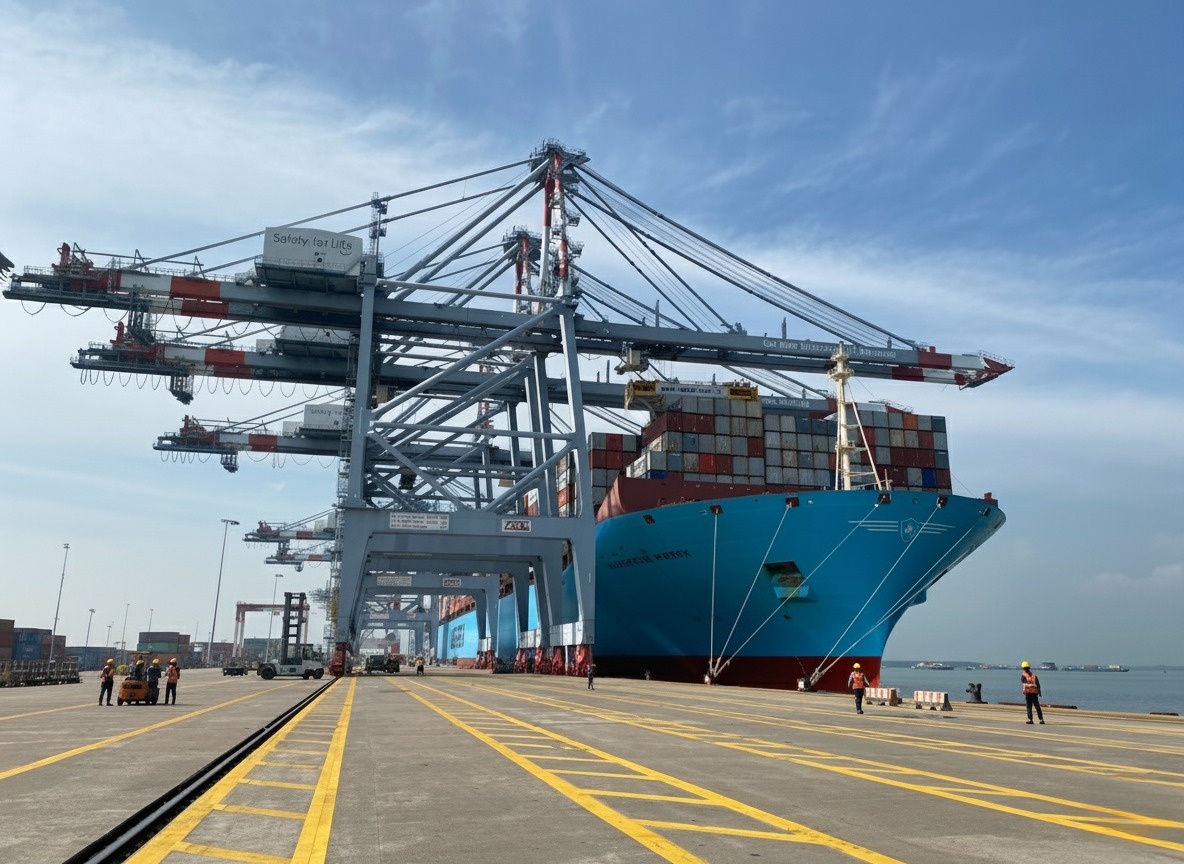
  • Vietnam’s Next Act: How Infrastructure is Powering the Manufacturing Mega-Shift

    Vietnam’s Next Act: How Infrastructure is Powering the Manufacturing Mega-Shift

    The phrase “China Plus One” has evolved from a supply chain buzzword to a fundamental reality, and nowhere is this more visible than in Vietnam. Following the escalation of trade tensions, particularly the US-China tariff wars, and reinforced by the global supply chain disruptions of recent years, a dramatic manufacturing exodus has taken shape. Multinational corporations are diversifying their production bases, and Vietnam has unequivocally become the primary beneficiary.

    But this isn’t just a happy accident of geography and low labor costs. To absorb this seismic shift, which includes major players in high-value sectors like electronics, machinery, and textiles-Vietnam’s government has embarked on an aggressive, multi-billion-dollar mission to completely overhaul its national infrastructure. This massive investment is the essential, often-unseen foundation supporting the country’s rise as the next global manufacturing powerhouse.

    The Great Leap Forward: Connecting the Nation

    The sudden surge in Foreign Direct Investment (FDI) has exposed capacity constraints, particularly in logistics. The solution is an ambitious series of national projects focused on three core areas: road, rail, and port connectivity.

    1. Highways and Expressways: Recognizing that a vast majority of freight moves by road, the government is dramatically expanding its expressway network. Key projects include the ongoing construction of the North-South Expressway, which will link the major economic hubs of Hanoi and Ho Chi Minh City, drastically cutting transit times for goods flowing between the industrial North and the commercial South. This improved connectivity is vital for manufacturers who need to move components and finished goods efficiently.
    2. Seaport Expansion: As an export-oriented economy, Vietnam’s ports are the most critical link in the global supply chain. The country’s port system has been undergoing a massive upgrade to accommodate the world’s largest container vessels.
    3. Energy and Digital Infrastructure: Beyond transport, significant investment is being poured into securing a stable, modern power grid (with a major focus on renewables under the Power Development Plan VIII) and expanding digital infrastructure, including high-tech R&D centers focused on AI and semiconductors. These moves are critical for attracting high-value manufacturing that requires reliable power and sophisticated connectivity.

    The Crown Jewel of the South: Cai Mep International Port

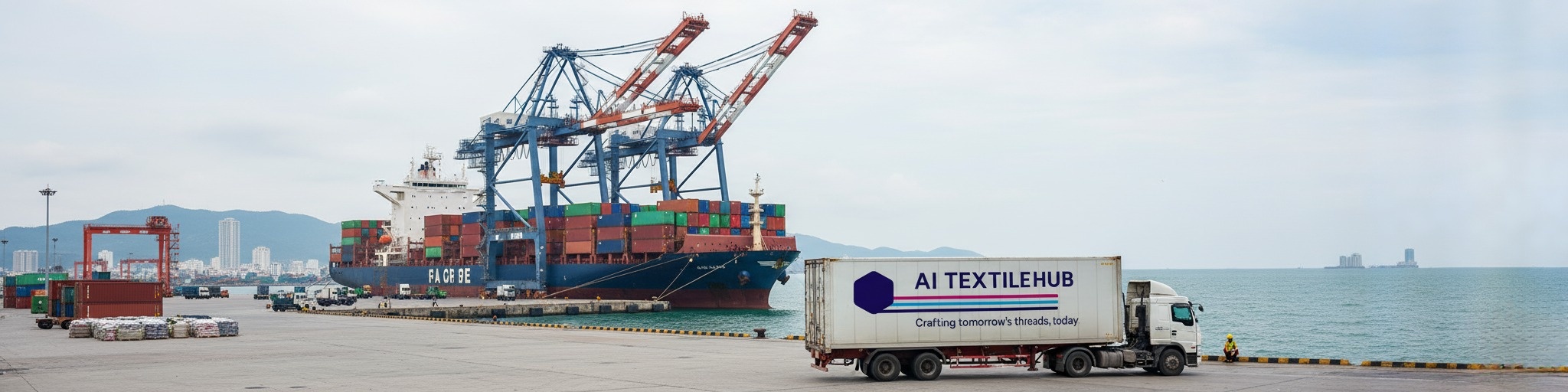
    The most compelling example of this strategic infrastructure development is the Cai Mep-Thi Vai port complex in the Ba Ria-Vung Tau province, just southeast of Ho Chi Minh City.

    For years, the nearby Cat Lai port (part of the Ho Chi Minh City port cluster) faced severe congestion, a major bottleneck for the booming Southern Key Economic Zone. Cai Mep was designed as the solution, a true deep-water port capable of handling megamax container ships (vessels of over 200,000 DWT) that ply the direct, long-haul routes to Europe and the United States.

    Cai Mep International Port (CMIT) is a game-changer for manufacturers relocating to Vietnam for two main reasons:

    • Direct International Access: It bypasses the need for transshipment in other regional hubs like Singapore or Hong Kong. This direct service saves both time and cost, a major incentive for high-volume exporters targeting Western markets.
    • A Catalyst for Investment: The port’s sheer capacity and modern operation have immediately attracted industrial and logistics investors to the surrounding region. It has transformed the southern corridor into a highly desirable industrial hub, easing pressure on Ho Chi Minh City and providing a world-class logistics gateway for the influx of new factories.

    A New Chapter for Global Manufacturing

    Vietnam’s infrastructure drive is not just about keeping pace with demand; it’s a statement of intent. The proactive government policies, including business-friendly tax incentives and key trade agreements, have established a robust framework for investment. But without the roads, the power, and the ports like Cai Mep to physically move the millions of manufactured goods, the shift would stall.

    The country is no longer merely a low-cost alternative. By aggressively investing in world-class logistics and transport networks, Vietnam is cementing its role as a stable, efficient, and technologically prepared global manufacturing hub for the decades to come. For companies seeking resilience and growth beyond legacy supply chains, Vietnam’s infrastructure story is the most exciting development in global trade today.

    Check our website to find out how your business can benefit. www.aitextilehub.com

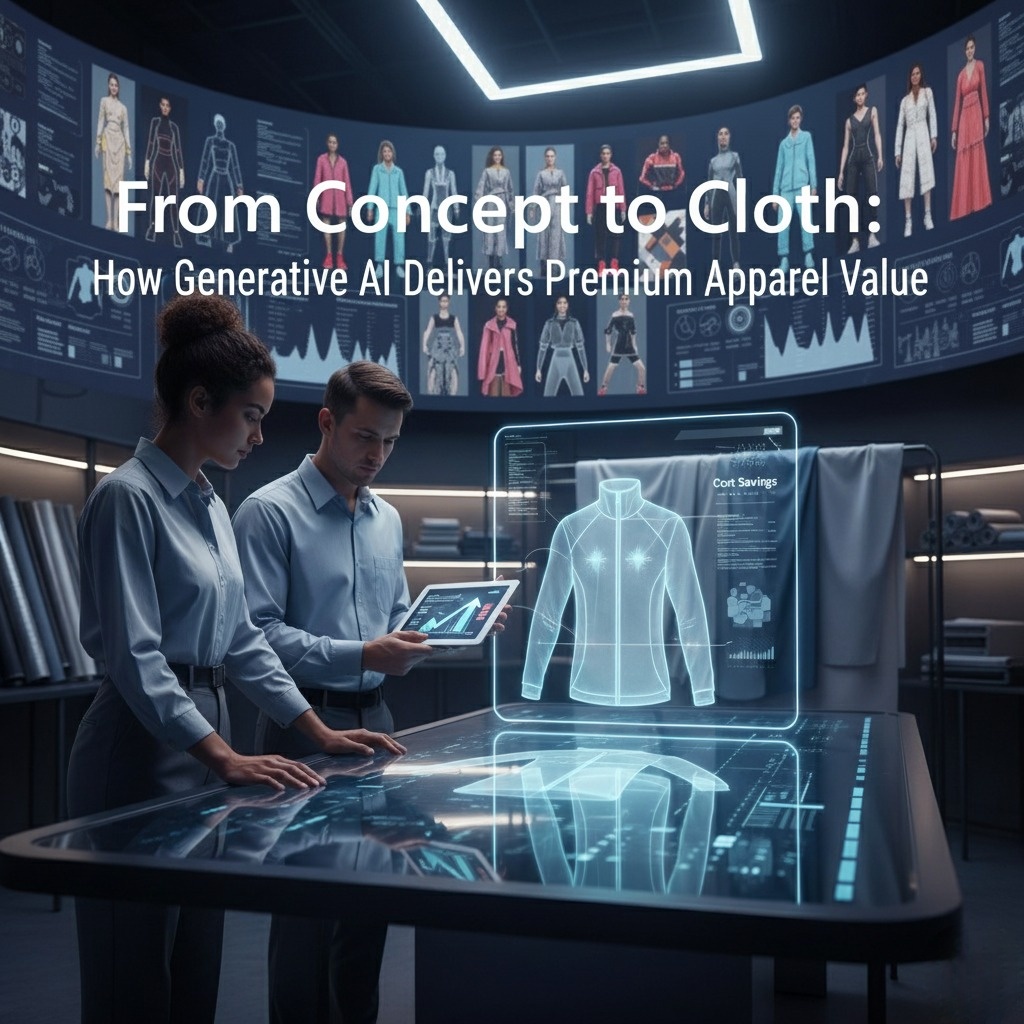
  • From Concept to Cloth: How Generative AI Delivers Premium Apparel Value

    From Concept to Cloth: How Generative AI Delivers Premium Apparel Value

    In the world of fashion and textiles, the phrase “you get what you pay for” has always been a bitter truth. High-performance, durable, and comfortable apparel often comes with a steep price tag, driven by the lengthy, expensive, and wasteful process of traditional design and sampling.

    But a revolution is underway, powered by Generative AI. This technology is not just making design faster; it’s fundamentally changing the cost structure of manufacturing, allowing brands to deliver premium quality without the premium price tag. For consumers who are both value-driven and health-conscious, AI is the new engine of savings.


    The Great Efficiency: AI’s Role in Stretching Every Dollar

    Generative AI acts as a sophisticated digital co-designer, radically increasing efficiency and slashing waste—two massive expenses that are traditionally passed directly to the consumer.

    1. Virtual Prototyping: Eliminating the Cost of Waste

    In the past, designers had to create multiple physical prototypes (samples) to test a new product’s fit, drape, and feel. This process is a huge drain on time, labor, and materials.

    AI erases this step. Using advanced algorithms, AI creates hyper-realistic 3D simulations of garments. Designers can visualize a knit’s tension, a print’s scale, and how a specific fabric will move on a digital model—all before a single thread is cut.

    • The Cost-Saving Metric: Instead of creating 5 physical samples, a team might only need to create 1 or 2 final verification samples. This reduction in material waste and labor directly cuts down manufacturing overhead, leading to a better final price for the consumer.

    2. Optimized Material Selection: The Bargain Hunter’s Secret Weapon

    For specialized items like high-performance sportswear, manufacturers need to find the optimal fabric blend—one that maximizes function while minimizing cost.

    AI runs complex analyses on material science data and supplier pricing simultaneously. The system can instantly test millions of combinations to recommend the most cost-effective yet high-performing fabric blend to achieve a desired function. It ensures that every fiber in the garment is there for a reason and at the most competitive price point, making the final product a smarter investment.


    Smart Design: A Win for Health and Performance

    Beyond the balance sheet, AI’s precision engineering directly enhances the features that matter most to the health-conscious consumer: fit, comfort, and longevity.

    1. Precision for Perfect Fit and Comfort

    AI doesn’t guess on sizing; it analyzes vast amounts of body scan data and historical fit metrics to create patterns optimized for human movement. This is crucial for high-performance apparel.

    The result is sportswear that fits better, moves more naturally, and minimizes points of friction and chafing. When a garment is designed with this level of intelligent precision, it becomes a comfortable and reliable partner for an active lifestyle.

    2. Longevity is the Ultimate Value

    As a bargain hunter, you know the best deal is the product you don’t have to replace. AI plays a crucial role here by simulating wear and tear.

    AI programs can predict precisely where a garment will fail—whether at a seam, a collar, or a high-stress area—under repeated use and washing. By identifying these failure points during the digital design phase, the pattern and stitching can be adjusted proactively. A garment designed with AI-predicted durability lasts longer, reinforcing the idea that quality engineering is the ultimate cost-saver.


    The Future Woven into the Fabric

    The core mission of the AI Textile Hub is operational excellence and innovation. Generative AI is the tool that makes this possible. It cuts the waste, speeds up development, and provides unparalleled precision in engineering, leading to a new standard of value.

    The best clothing is now designed by human vision, powered by AI, and delivers exceptional quality and value that respects both your health and your wallet. Sources

    Return to the website for details:

  • Why AI Is Transforming Apparel Sourcing in Vietnam

    Why AI Is Transforming Apparel Sourcing in Vietnam


    Global brands are increasingly turning to Vietnam for high-quality, cost-efficient apparel production. But sourcing garments across borders comes with challenges: communication gaps, complex logistics, unpredictable costs, and time-consuming coordination. This is where AI-driven solutions are changing the game.

    At AI Textile Hub, we combine deep industry knowledge with advanced technology to streamline sourcing from Vietnam—making it faster, smarter, and more reliable than ever before.

    1. Smarter Vendor Matching

    Traditional sourcing often relies on referrals or long vetting cycles. With AI, we quickly match brands to trusted manufacturers that align with their quality standards, capacity, and price expectations.

    2. Real-Time Quality Monitoring

    Instead of waiting for lengthy sample approvals or inspection reports, our system tracks production quality in real time. This reduces waste, delays, and costly reworks.

    3. Cost & Time Savings

    AI-powered logistics optimize shipping routes, predict bottlenecks, and recommend the most efficient delivery paths. This means lower transportation costs and faster time-to-market.

    4. Transparency Across the Supply Chain

    From factory floor to final delivery, brands gain complete visibility. Our platform ensures you know where your products are, how they’re being made, and when they’ll arrive.

    5. Future-Proofing Your Business

    As global fashion trends evolve, staying competitive requires agility. AI helps brands forecast demand, manage inventory, and respond quickly to consumer shifts, ensuring you’re always ahead.

    Final Thoughts

    Vietnam has become a hub for global apparel production, and with AI-driven tools, the sourcing process has never been more efficient. At AI Textile Hub, we empower brands to save time, cut costs, and deliver consistent quality, without the headaches of traditional sourcing.

    👉 Ready to explore smarter apparel sourcing? Visit us at www.aitextilehub.com to discover how AI can simplify your supply chain today.


  • Weaving the Future, One Thread at a Time

    Welcome to the AI Textile Hub blog!

    You’ve landed here at a pivotal moment. The digital world is evolving at an incredible pace, and so is the world of fabric. At AI Textile Hub, we believe that the next great leap in fashion, design, and branded merchandise won’t come from a new material, but from a new mind—the mind of artificial intelligence.

    Our vision is simple: to blend the precision and creativity of AI with the tactile beauty of textiles. We’re not just making clothes; we’re crafting innovative wearables and promotional products that tell a story. Whether it’s for an event, a company, or a personal brand, we’re using technology to create something truly unique and impactful. We’re bridging the gap between imagination and reality, one seamless design at a time.

    We’re still laying the groundwork for the full website, but this blog is where our story truly begins. In the coming weeks and months, you can expect us to share great content, from behind-the-scenes looks at our design process to deep dives into the technology that makes our work possible. We’ll showcase our latest creations, explore industry trends, and share our journey as we build a new textile future.

    So, while we’re putting the finishing touches on our site, we invite you to bookmark this page. The best is yet to come, and we’re excited to have you with us on this journey.

    Stay connected, and stay tuned.

    Our full-featured website: https://aitextilehub.com