In the world of fashion and textiles, the phrase “you get what you pay for” has always been a bitter truth. High-performance, durable, and comfortable apparel often comes with a steep price tag, driven by the lengthy, expensive, and wasteful process of traditional design and sampling.
But a revolution is underway, powered by Generative AI. This technology is not just making design faster; it’s fundamentally changing the cost structure of manufacturing, allowing brands to deliver premium quality without the premium price tag. For consumers who are both value-driven and health-conscious, AI is the new engine of savings.
The Great Efficiency: AI’s Role in Stretching Every Dollar
Generative AI acts as a sophisticated digital co-designer, radically increasing efficiency and slashing waste—two massive expenses that are traditionally passed directly to the consumer.
1. Virtual Prototyping: Eliminating the Cost of Waste
In the past, designers had to create multiple physical prototypes (samples) to test a new product’s fit, drape, and feel. This process is a huge drain on time, labor, and materials.
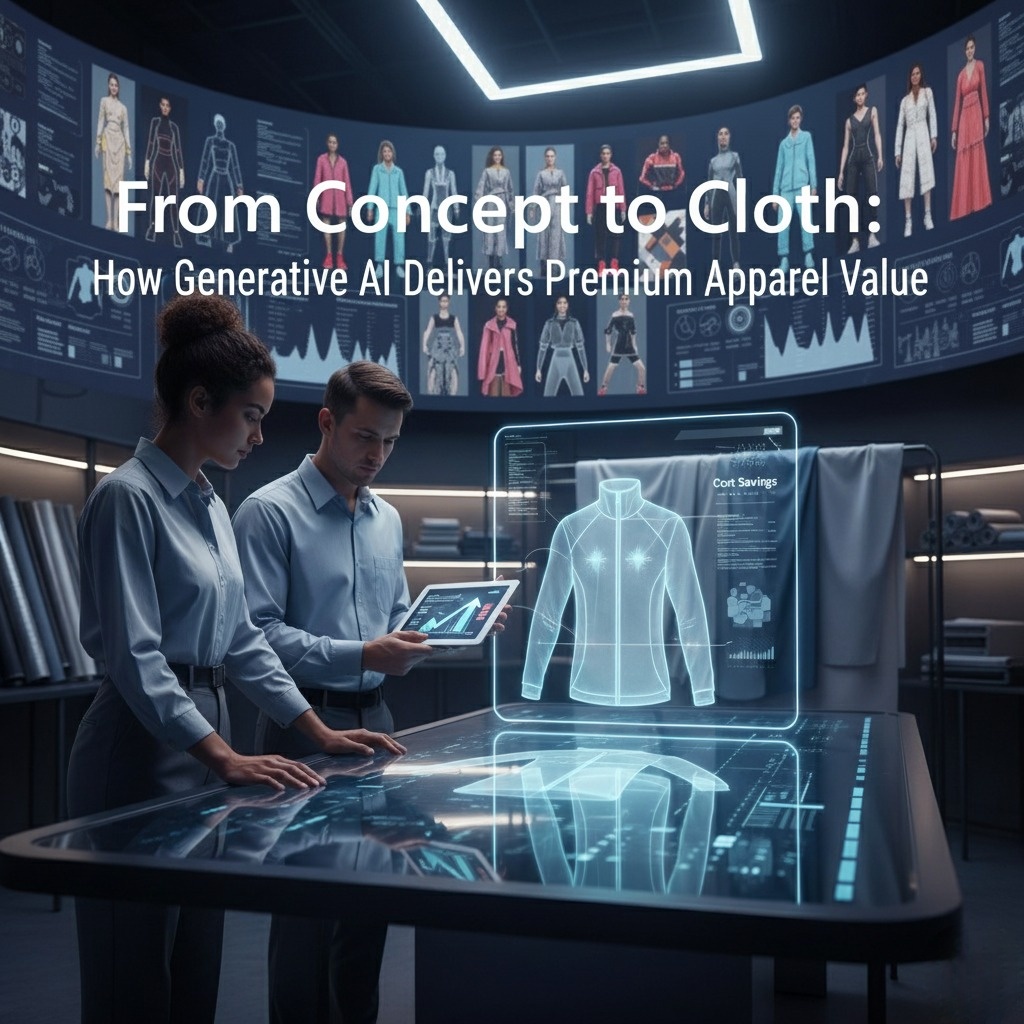
AI erases this step. Using advanced algorithms, AI creates hyper-realistic 3D simulations of garments. Designers can visualize a knit’s tension, a print’s scale, and how a specific fabric will move on a digital model—all before a single thread is cut.
- The Cost-Saving Metric: Instead of creating 5 physical samples, a team might only need to create 1 or 2 final verification samples. This reduction in material waste and labor directly cuts down manufacturing overhead, leading to a better final price for the consumer.
2. Optimized Material Selection: The Bargain Hunter’s Secret Weapon
For specialized items like high-performance sportswear, manufacturers need to find the optimal fabric blend—one that maximizes function while minimizing cost.
AI runs complex analyses on material science data and supplier pricing simultaneously. The system can instantly test millions of combinations to recommend the most cost-effective yet high-performing fabric blend to achieve a desired function. It ensures that every fiber in the garment is there for a reason and at the most competitive price point, making the final product a smarter investment.
Smart Design: A Win for Health and Performance
Beyond the balance sheet, AI’s precision engineering directly enhances the features that matter most to the health-conscious consumer: fit, comfort, and longevity.
1. Precision for Perfect Fit and Comfort
AI doesn’t guess on sizing; it analyzes vast amounts of body scan data and historical fit metrics to create patterns optimized for human movement. This is crucial for high-performance apparel.
The result is sportswear that fits better, moves more naturally, and minimizes points of friction and chafing. When a garment is designed with this level of intelligent precision, it becomes a comfortable and reliable partner for an active lifestyle.
2. Longevity is the Ultimate Value
As a bargain hunter, you know the best deal is the product you don’t have to replace. AI plays a crucial role here by simulating wear and tear.
AI programs can predict precisely where a garment will fail—whether at a seam, a collar, or a high-stress area—under repeated use and washing. By identifying these failure points during the digital design phase, the pattern and stitching can be adjusted proactively. A garment designed with AI-predicted durability lasts longer, reinforcing the idea that quality engineering is the ultimate cost-saver.
The Future Woven into the Fabric
The core mission of the AI Textile Hub is operational excellence and innovation. Generative AI is the tool that makes this possible. It cuts the waste, speeds up development, and provides unparalleled precision in engineering, leading to a new standard of value.
The best clothing is now designed by human vision, powered by AI, and delivers exceptional quality and value that respects both your health and your wallet. Sources
Return to the website for details: